

Home » Physiotherapy »
- Whiplash Injuries
- Wry Neck
- Tennis Elbow
- Shin Splints
- Rotator Cuff Injuries
- Patello-Femoral Pain
- Patella Tendinopathy
- Osteitis Pubis
- MCL Injury
- Neck Pain
- Lower Back Pain
- ITB Friction Syndrome
- Plantar Fasciitis
- Headaches
- Lymphoedema
- Dizziness
- Hamstring Injury
- Femoro-acetabular Impingement
- Carpal Tunnel Syndrome
- Calf Injury
- Adductor Injury
- Achilles Tendinopathy
- ACL Injury
Lymphoedema Physiotherapy Treatment
at Pro Health Care
Pathology
Lymphoedema is a chronic condition that occurs when the lymphatic system is unable to adequately drain lymph fluid, leading to swelling in the tissues. Lymphoedema physiotherapy can form part of ongoing management by addressing swelling, mobility and self-management needs. It most commonly affects the arms or legs, but can also occur in other parts of the body (trunk, abdomen, breast). Causes include damage to, or removal of lymph nodes (often following cancer treatment or surgery), radiotherapy, chemotherapy, infection, trauma, or congenital abnormalities of the lymphatic system.
Symptoms of lymphoedema can include persistent swelling, heaviness or tightness in the affected limb, reduced mobility, aching or discomfort, and changes in skin texture such as thickening or hardening. If left untreated, lymphoedema can increase the risk of infection (cellulitis) and significantly impact quality of life.
Lymphoedema is generally classified into two main types:
-
Primary lymphoedema – caused by developmental abnormalities of the lymphatic system.
-
Secondary lymphoedema – caused by damage to or obstruction of the lymphatic system. This can occur as a side-effect of cancer surgery (e.g mastectomy, axillary lymph node dissection, gynaecological or melanoma removal involving groin lymph node regions). It can also occur as a side-effect of radiotherapy and chemotherapy (especially taxane based chemotherapy). Other causes can also be infection, or trauma.
Classification
Severity and classification is graded using the International Society of Lymphology (ISL) staging system, which includes four stages (0–3):
-
Lymphatic system is impaired but no visible swelling
-
may feel slight heaviness, tightness, or fatigue
-
Can be reversed with regular surveillance and early intervention
-
Visible swelling that may reduce with elevating the affected limb
-
Pitting oedema present
-
Skin is still soft
-
Swelling often worse at the end of the day
-
Swelling does not fully reduce with elevation
-
Pitting becomes harder
-
Fibrosis (hardening of tissue) begins
-
Skin thickening noticeable
-
Significant, permanent swelling
-
Severe skin changes: thickening, hyperkeratosis, papillomas
-
Increased risk of infections (e.g. cellulitis)
-
Reduced mobility and function
Lymphoedema Physiotherapy Assessment
Musculoskeletal and oncology-trained physiotherapists can help identify and assess lymphoedema. A thorough history and examination is taken, including limb measurements, tissue assessment, and evaluation of contributing factors such as lifestyle, medical history, and activity levels.
Our lymphoedema physio team and Adelaide physios near me are trained to use evidence-based tools to classify the condition and monitor progression. Early diagnosis through regular surveillance is essential to diagnose lymphoedema in the sub-clinical stage (before it is seen or felt) and where early management can begin to reduce the progression to clinical lymphoedema. If signs of lymphoedema are present, it is essential to begin treatment and self-management promptly to reduce complications and improve outcomes.
Physiotherapy Treatment for Lymphoedema
At Pro Health Care, lymphoedema physiotherapy treatment begins with a comprehensive assessment to understand the location and severity of swelling, functional limitations and individual management needs. Current evidence highlights that early intervention, exercise, and self-management strategies are key to effective treatment.
Our highly trained physiotherapists will provide:
-
Education and advice on skin care, infection prevention, and lifestyle modifications.
-
Compression therapy (bandaging, garments, compression pumps) to help reduce and control swelling.
-
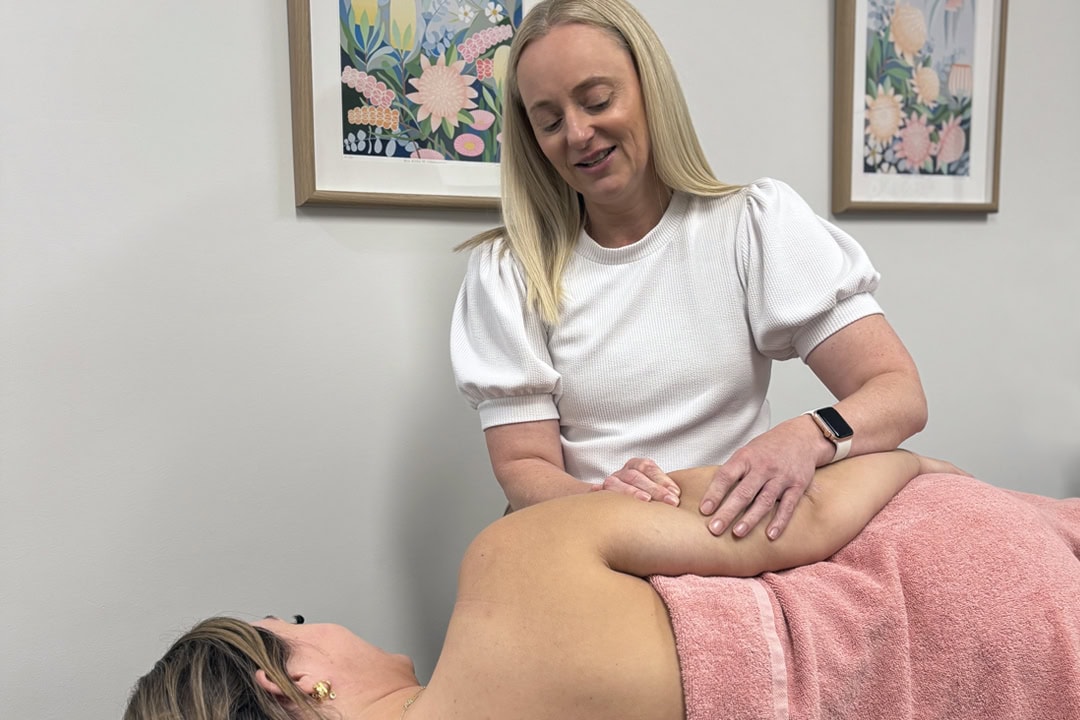
Manual lymphatic drainage (MLD) – a massage technique to stimulate lymph flow.
-
Exercise prescription tailored to improve circulation, mobility, and strength.
-
Posture correction and mobilization to support functional movement.
-
Self-management strategies to empower patients in maintaining long-term control of their condition.
Kathryn Meade, our Australasian Lymphology Association (ALA) accredited lymphoedema practitioner at Kidman Park, provides tailored care – from manual lymphatic drainage to compression garments, skin care, and exercise programs.
She’s also an approved prescriber under the SA Lymphoedema Compression Garment Subsidy Scheme, ensuring eligible clients have access to appropriately prescribed custom compression garments.
Book your assessment today and discover how Kath can help improve comfort, mobility, and confidence. Book now