
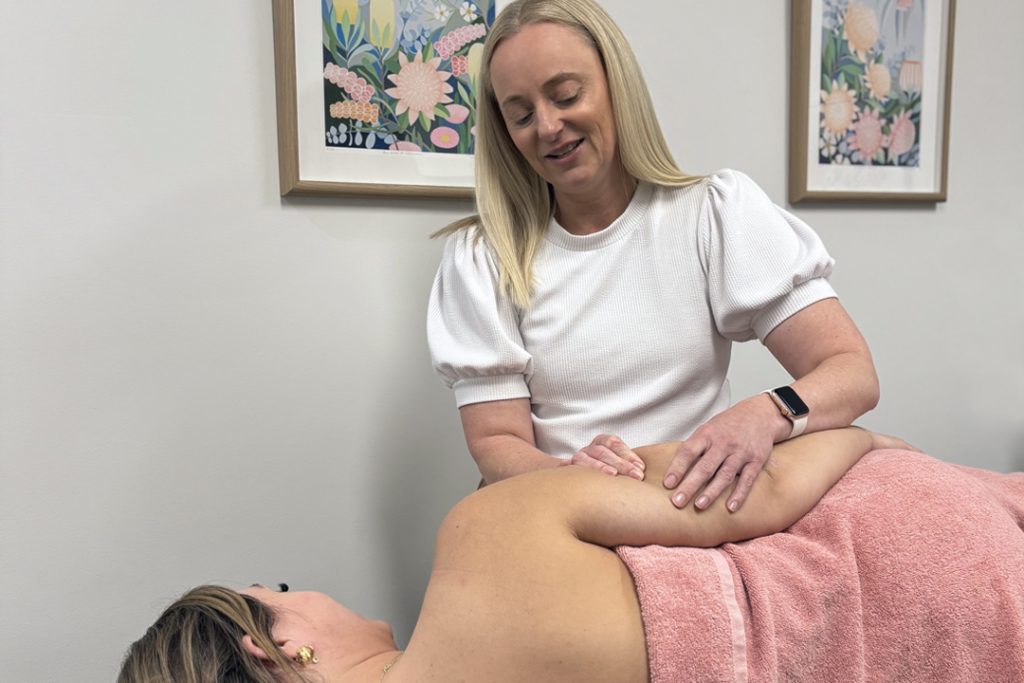
Lymphoedema progress is not judged by appearance alone. Physiotherapists may monitor limb measurements, tissue feel, swelling patterns, heaviness, discomfort, movement, function and how well compression or self-management strategies are working. Changes can be gradual, so comparing findings over time helps determine whether the current management plan remains appropriate or needs reviewing.
When you see the same arm or leg every day, it can be difficult to tell whether anything is changing.
A person managing lymphoedema may be following advice, wearing compression, staying active and carrying out recommended self-management, yet still look in the mirror and think, “It looks exactly the same.”
That does not necessarily mean nothing is happening. Lymphoedema can fluctuate gradually, and visible size is only one part of the picture. During lymphoedema physiotherapy, progress may be considered using several clinical and practical markers rather than relying on appearance alone.
Why Looking at the Limb Is Only One Part of Assessment
Visible swelling matters, but it does not tell the whole story.
Two limbs can appear similar while feeling different in terms of tissue firmness, heaviness, tightness or movement. Swelling can also vary depending on the time of day, activity levels, temperature, compression use and other individual factors.
This is one reason physiotherapists compare findings over time rather than making decisions from a single glance.
For some people, the most meaningful early change is not a visibly smaller limb. It may be that shoes fit more comfortably, the skin feels less tight, movement feels easier or heaviness is less noticeable by the end of the day.
Limb Measurements Can Show Changes You May Not See
Physiotherapists may take measurements at defined points along an affected arm or leg.
These measurements create a more objective record that can be compared at later appointments. Small changes may be difficult to notice visually, particularly when swelling has developed gradually.
The exact measurement method will depend on the presentation and clinical setting. What matters most is consistency, because comparing measurements taken in a similar way can help show whether swelling is increasing, reducing or remaining relatively stable.
A stable measurement is not automatically a poor result either. For some people with an ongoing condition, preventing further progression may be an important part of management.
Tissue Texture Can Provide Additional Information
Lymphoedema can affect more than limb circumference.
A physiotherapist may assess how the tissue feels beneath the skin, including whether an area feels soft, firm, tense or different from surrounding tissue.
They may also consider whether pressure leaves an indentation, whether the skin moves normally over the tissues beneath it, and whether particular areas feel more congested than others.
These observations help build a picture of how the condition is behaving. A limb that looks similar from week to week may still show changes in tissue quality or fluid distribution that are relevant to ongoing management.
Symptoms Can Change Before Appearance Does
Patients commonly focus on swelling because it is the most visible feature, but subjective symptoms are also useful.
You may notice changes in:
- heaviness
- tightness
- aching or discomfort
- a feeling of fullness
- stiffness
- ease of movement
- how jewellery, sleeves, shoes or clothing fit
- how the limb feels after activity or later in the day
These details are worth mentioning, even if you cannot see a major difference.
For example, an arm that still appears swollen but feels less heavy during everyday tasks may represent a meaningful functional change. Conversely, increasing tightness or a garment becoming noticeably harder to tolerate may suggest the current approach needs reviewing.
Function Matters as Much as Size
Lymphoedema management is not only about making a limb look smaller.
Physiotherapists may also ask whether swelling is interfering with daily activity.
That could include:
- walking comfortably
- gripping or lifting
- reaching overhead
- exercising
- dressing
- wearing work clothing
- tolerating footwear
- completing household tasks
A person may have relatively stable measurements but improved function. Another may have little visible change yet increasing difficulty with movement.
Tracking both helps the physiotherapist understand whether the condition is becoming easier or harder to manage in everyday life.
Compression Is Reviewed by More Than Whether It Feels Tight
Compression can be an important part of lymphoedema management for some patients, but the garment needs to be appropriate for the individual.
During review, a physiotherapist may consider whether compression:
- is fitting as intended
- remains comfortable enough to use
- is leaving unexpected pressure areas
- is slipping or bunching
- appears to be controlling swelling effectively
- has become harder to put on
- needs reassessment because the limb has changed
A garment that once fitted well may not remain appropriate indefinitely.
Patients sometimes assume that “tighter must be better”, but excessive pressure, poor fit or changes in swelling distribution may require professional review rather than simply continuing with the same garment.
Progress Can Include Better Self-Management
Another important measure is how confidently you can manage the condition outside appointments.
Depending on your individual plan, this might involve understanding:
- when to use compression
- how to monitor skin changes
- which exercises are appropriate
- how activity affects your symptoms
- how to recognise a change worth reporting
- how to perform any recommended self-management techniques
Pro Health Care also provides broader physiotherapy services in Adelaide that may support mobility, exercise and other physical concerns alongside condition-specific care.
For some people, feeling more confident in what to monitor and when to seek review is an important part of longer-term management.
What If the Swelling Has Not Reduced Much?
Not everyone experiences a dramatic visual change.
Lymphoedema can be a long-term condition, and management goals vary between individuals. Depending on the stage, cause and severity, the priorities may include reducing swelling where possible, maintaining current size, improving comfort, protecting skin health, improving movement or preventing further deterioration.
This is why comparison over time is useful.
If measurements, symptoms and function remain unchanged despite appropriate management, a physiotherapist may review whether:
- compression is suitable
- activity levels have changed
- swelling behaves differently at particular times
- self-management strategies are practical and being tolerated
- further assessment is needed
- another health professional should be involved
Patients who want a broader overview of the condition and the role physiotherapy may play can also read about how lymphoedema and physiotherapy are connected.
Changes Between Appointments Are Worth Recording
Because lymphoedema can fluctuate, what happens between appointments may be just as useful as what the physiotherapist sees in the clinic.
Simple observations can help.
You might note:
- whether swelling is worse in the morning or evening
- whether certain activities make the limb feel heavier
- whether heat seems to change symptoms
- changes in garment fit
- whether rings, watches or shoes feel different
- whether movement feels easier or more restricted
- any skin irritation, redness or unusual discomfort
You do not need to measure your limb constantly or become preoccupied with small day-to-day differences.
The purpose is to notice meaningful patterns that can help your physiotherapist understand how the condition is behaving in real life.
When a Change Should Be Reviewed Promptly
A sudden or significant change should not simply be assumed to be part of usual lymphoedema.
Seek medical advice if you develop symptoms such as rapidly increasing swelling, significant redness, warmth, increasing pain, fever or feeling generally unwell.
These changes may require medical assessment rather than routine physiotherapy review.
Likewise, if your swelling changes substantially without a clear reason, it is appropriate to discuss this with a qualified healthcare professional.
Lymphoedema Physiotherapy Across Adelaide
People managing lymphoedema may need periodic review rather than relying only on how the limb looks from day to day. Pro Health Care provides physiotherapy services at locations including Beverley, Dover Gardens, Henley Beach and Kidman Park.
Patients can also access physiotherapy through Hope Valley, Mitcham, Stirling and Aldinga. As lymphoedema services may not be available at every clinic, patients should confirm the appropriate clinician and service availability when booking.
Progress Is More Than What You Can See in the Mirror
It is understandable to judge lymphoedema by appearance. Swelling is visible, so it naturally becomes the first thing people look for.
Physiotherapists take a broader view.
Measurements, tissue changes, symptoms, garment fit, movement, daily function and how well you can manage the condition between appointments can all contribute to assessing progress. Sometimes improvement is measurable before it is obvious. In other situations, maintaining stability may itself be clinically important.
Regular review helps determine whether the current approach still suits the way your lymphoedema is behaving rather than relying on appearance alone.
Disclaimer: This article is for general educational purposes only and does not replace professional medical or physiotherapy advice. Lymphoedema varies between individuals, and appropriate assessment and management depend on its cause, severity and your broader health circumstances. Seek advice from a qualified healthcare professional if swelling is new, worsening or associated with other concerning symptoms.