
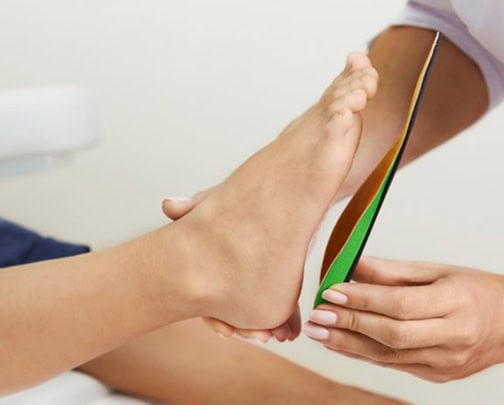
New discomfort after starting orthotics does not automatically mean the prescription is wrong. Your feet and footwear may need time to adapt, but persistent, increasing or unfamiliar pain should be reviewed. A podiatrist can check the device, shoe fit, pressure distribution, walking pattern and original prescription to decide whether adjustments are needed.
You were expecting the new inserts to make walking easier. Instead, your arch aches in a different place, the heel feels pressured, or a shoe that was previously comfortable suddenly feels cramped.
It is reasonable to question the orthotics when discomfort begins after you start wearing them.
Some awareness of a new device can occur while your feet and body adapt to a different distribution of pressure. That is not the same as assuming that every painful response should simply be endured. Orthotics are prescribed for an individual purpose, and the way you respond to them provides useful information about whether the device, footwear or prescription requires review.
The important distinction is between an unfamiliar sensation that settles as expected and symptoms that are becoming more troublesome.
Start With What Has Actually Changed
Rather than asking only, “Do my orthotics hurt?”, consider how the current symptoms compare with the problem you had before receiving them.
Perhaps the original heel pain is easing, but pressure has developed beneath the arch. Your forefoot may now feel crowded. One leg might feel as though it is working differently. Alternatively, the original pain may simply be more intense.
Those differences matter.
When reviewing custom podiatry orthotics, a podiatrist may want to know:
- Where the new discomfort is located
- How soon it begins after putting the shoes on
- Whether it disappears when the orthotics are removed
- Which shoes create the greatest problem
- Whether walking, running or standing affects it differently
- If the original symptoms have improved, remained unchanged or worsened
- Whether there is rubbing, redness, blistering or localised pressure
A clear description helps distinguish a fitting issue from a change in load, a footwear problem or a need to reconsider part of the prescription.
New Orthotics Can Feel Different Without Being Painful
Custom orthotics alter how forces are distributed beneath the foot. Depending on the reason they were prescribed, they may support a particular area, redistribute pressure or influence how the foot functions during standing and movement.
That can make the first few days feel unfamiliar.
A patient who has never had much contact beneath the arch, for example, may suddenly notice the device in that area. Someone accustomed to very soft insoles may find a firmer prescription noticeably different.
Your podiatrist may recommend gradually increasing wear time rather than using new devices for an entire working day immediately. The appropriate transition depends on the device, your symptoms and the activities you need to perform.
The purpose of an adjustment period is to allow adaptation while monitoring the response. It is not a reason to ignore escalating pain.
Where the Orthotic Sits Inside the Shoe Matters
Sometimes the device itself is only part of the problem.
Adding an orthotic changes the internal space available inside a shoe. If the shoe is already shallow or narrow, the foot may be pushed higher against the upper, the toes may become crowded or the heel may no longer sit securely.
This is particularly noticeable with:
- Dress shoes
- Narrow work footwear
- Shoes with fixed or thick factory insoles
- Low-volume casual shoes
- Some sporting footwear
Patients often focus on whether the orthotic matches the shape of the foot but overlook the relationship between the device and the shoe surrounding it.
Practical footwear advice can therefore be an important part of an orthotic review. In some cases, changing footwear or removing the original liner may improve fit. In others, the orthotic itself may require modification.
Bringing the shoes you wear most frequently to an appointment can make this assessment more useful.
Pain in a New Area Deserves Attention
A common source of uncertainty is discovering that the original painful spot feels better while another part of the foot or leg begins to hurt.
That does not automatically establish that the orthotic has caused an injury. However, a new symptom should not be dismissed simply because the original problem is improving.
A podiatrist may assess whether the change is related to:
- Pressure concentrated in one area of the device
- A change in the way the foot is loading
- Excessive correction for the current tolerance
- Footwear restricting normal movement
- A separate condition becoming symptomatic
- Activity increasing too quickly after receiving the orthotics
An orthotic prescription is not judged solely by whether the device looks correct. It also needs to function acceptably during the activities it was prescribed to support.
Orthotics Are Adjustable
Patients sometimes assume that a custom device arrives as a finished product that cannot be altered.
In practice, review and adjustment can be part of orthotic care.
Depending on the device and the clinical findings, a podiatrist may be able to alter cushioning, relieve a pressure point, modify support in a particular area or reconsider how the orthotic interacts with the shoe.
This is one reason follow-up appointments matter.
Pro Health Care also has a dedicated orthotic review service for patients who need an existing prescription reassessed. The aim of the review is to understand what is happening when the orthotics are actually being worn, rather than assuming that the original design should remain unchanged regardless of the response.
Do Not Judge the Prescription Only by the First Few Hours
There is another side to the issue. Removing orthotics after a short period simply because they feel unfamiliar may not give enough information to assess them properly.
A structured introduction can make it easier to determine how the feet are responding.
Your podiatrist may advise beginning with shorter periods and increasing wear gradually, particularly if you have not previously used orthotic devices. The instructions can vary according to the prescription, footwear and condition being managed.
Keep track of:
- How long you can wear them comfortably
- Whether symptoms appear sooner or later over several days
- Changes in the original problem
- New areas of pressure
- Differences between shoes
- How the feet feel after the orthotics are removed
This creates a more useful picture than relying on a single good or bad day.
Orthotics Do Not Have to Be the Whole Treatment Plan
One concern patients sometimes have is that receiving orthotics means there is nothing else they can do for their feet.
That is not necessarily the case.
Depending on the problem, podiatry care may also consider strength, mobility, activity load, footwear and the demands placed on the feet during work or sport.
For example, persistent heel pain may involve a broader management plan that includes exercise and footwear considerations as well as orthotic prescription where clinically appropriate.
The same principle applies to biomechanical problems. A biomechanical analysis may help a podiatrist examine how the feet and lower limbs function during movement before deciding which combination of strategies is appropriate.
The device should have a defined role in the plan rather than existing as an isolated solution.
When to Stop and Arrange a Review
The exact threshold differs between patients, but certain responses should prompt earlier contact with your podiatrist.
Arrange a review if you develop persistent or increasing pain, significant rubbing, skin damage, numbness, a new area of marked pressure or difficulty walking comfortably while wearing the devices.
You should also seek advice if symptoms continue despite following the recommended introduction period or if you cannot find footwear in which the orthotics sit comfortably.
Patients with diabetes, reduced sensation, circulation problems or other conditions affecting foot health may need particular caution around new areas of pressure or skin change. These concerns should be discussed promptly with an appropriate healthcare professional.
Searching for a podiatrist near me because an existing pair of orthotics no longer feels right is a reasonable reason for assessment. You do not need to wait until the devices become completely unwearable.
What If the Original Diagnosis No Longer Seems to Fit?
Orthotic discomfort sometimes raises a larger question: was the original problem assessed correctly?
Foot symptoms can overlap. Arch pain, heel pain, tendon problems, joint irritation and nerve-related symptoms can occasionally be described in similar everyday terms.
If the clinical picture has changed, the response to treatment is unexpected or progress has stalled, reassessment may be more useful than repeatedly modifying the device without reconsidering the reason it was prescribed.
A fresh podiatry examination can review the original symptoms, current function, footwear and the response to previous management.
This does not automatically mean the first diagnosis was wrong. Conditions evolve, activity demands change and treatment response itself can provide new clinical information.
Patients seeking podiatry Adelaide services can discuss persistent foot symptoms as part of a broader assessment rather than viewing orthotic adjustment as a purely mechanical task.
Podiatry Care Is Not Limited to Orthotics
Orthotics are only one area of podiatry. The appropriate service depends on the underlying foot concern.
For example, altered or discoloured nails require a different assessment pathway, and some patients may be assessed for treatments such as Lunula Laser Therapy when clinically appropriate. Nail, skin, biomechanical and musculoskeletal concerns should each be assessed according to their likely cause rather than treated through a one-size-fits-all approach.
That broader perspective matters when more than one foot issue is occurring at the same time.
Podiatry Locations Across Adelaide
Pro Health Care provides podiatry care at Dover Gardens, Henley Beach, Hope Valley, Kidman Park, Mitcham, Norwood,Stirling,Beverley and North Adelaide.
An Orthotic Review Is About the Response, Not Just the Device
Orthotics that cause new or progressively worsening discomfort should not simply be tolerated indefinitely. At the same time, an unfamiliar sensation during the early introduction period does not necessarily mean the prescription has failed.
What matters is the pattern.
Where does the discomfort occur? Does it settle? Does the orthotic fit properly inside your footwear? Has the original problem changed? Are your walking and daily activities becoming easier or harder?
Those details give a podiatrist something meaningful to reassess. The outcome may be a small modification, a footwear change, a revised wearing schedule, additional rehabilitation or a broader review of the original problem.
The goal is not to make your feet conform to the orthotics. The orthotic prescription should remain appropriate for the person wearing it.
Disclaimer: This article provides general educational information about orthotics, foot discomfort and podiatry assessment. It does not determine whether a particular orthotic device is correctly prescribed or suitable for an individual. New, persistent or worsening foot symptoms should be assessed by a qualified podiatrist or other appropriate healthcare professional, particularly where there is skin damage, altered sensation or difficulty walking.