
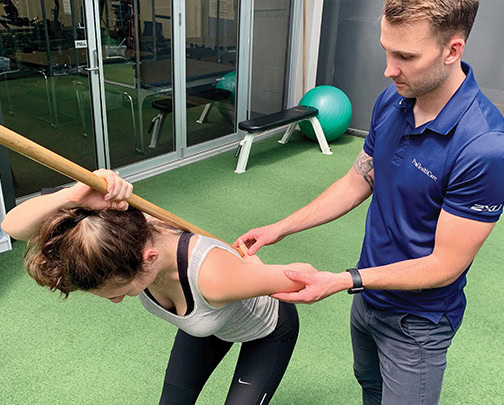
Rest can ease pain temporarily, but it does not rebuild strength, movement control, or tissue tolerance. Sports physiotherapy focuses on progressive loading and rehabilitation to help injuries recover and reduce the risk of symptoms returning.
Rest is often the first response to pain. You stop training, avoid aggravating movements, and wait for symptoms to settle. For many people, this works at first. Pain reduces, stiffness eases, and things feel better.
Then activity resumes and the pain comes back.
This stop–start cycle is one of the most common frustrations shared by people managing sports injuries. Rest helped, but it did not fix the problem.
Why Rest Feels Like the Right Choice
Rest can be helpful in the early stages of injury. It may reduce irritation, calm pain, and give tissues time to settle.
People often rest because:
- Pain increases with activity
- Movement feels unsafe or uncomfortable
- Previous flare ups were linked to training
- Advice suggested waiting until pain settles
In the short term, this can feel reassuring. The problem is what happens next.
What Rest Does Not Address
While rest can reduce symptoms, it does not restore what was lost during injury.
Extended or repeated rest can lead to:
- Reduced muscle strength
- Lower tissue tolerance to load
- Stiffness and reduced control
- Increased sensitivity when activity returns
When tissues are not gradually exposed to load, they are less prepared to handle the demands of sport or exercise.
This is why symptoms often return as soon as training resumes.
The Stop-Start Injury Cycle
Many people fall into a familiar pattern:
- Pain appears during activity
- Activity stops and rest begins
- Pain settles
- Activity resumes
- Pain returns
Each cycle reinforces the belief that rest is the solution, even though it has not led to lasting improvement.
Sports physiotherapy aims to break this cycle rather than repeat it.
Why Gradual Loading Matters
Tendons, muscles, and joints adapt to load over time. When load is removed completely, tissues lose capacity. When load returns suddenly, tissues struggle.
Sports physios focus on:
- Reintroducing load gradually
- Building strength and control
- Improving movement quality under stress
- Matching rehabilitation to activity demands
This approach helps tissues adapt rather than react.
This service is embedded within our physiotherapy Adelaide care model, with rehabilitation designed around your specific movement patterns and training load.
Why Pain Free Does Not Mean Ready
A common misconception is that being pain free at rest means an injury has healed. In reality, pain reduction does not always equal restored capacity.
Without rebuilding strength and tolerance:
- Pain may return under load
- Confidence in movement remains low
- Fear of reinjury increases
Sports physiotherapy helps bridge the gap between symptom relief and readiness to return to activity.
When Rest Needs Support
Rest still has a place. It simply works best when paired with active rehabilitation.
Sports physiotherapy may include:
- Targeted strengthening exercises
- Movement retraining
- Gradual exposure to sport specific tasks
- Education around pacing and recovery
In some cases, adjunct treatments such as shockwave therapy may be used to support persistent tendon pain alongside exercise based care.
Sports Physio and Ongoing Injuries
If pain keeps returning after periods of rest, it may be time to reassess the strategy rather than extend the break.
Working with a sports physio Adelaide service allows rehabilitation to focus on restoring capacity rather than avoiding movement altogether.
This approach supports people involved in sport, gym training, and physically demanding work.
Different Considerations for Different Bodies
Not all injuries respond the same way. Recovery needs differ depending on activity level, injury history, and life stage.
For example:
- Runners and field sport athletes often need graded return plans
- Gym related injuries benefit from technique and load review
- Women managing pregnancy or pelvic health related changes may benefit from support through women’s health physiotherapy
Sports physiotherapy adapts care to the individual rather than applying a generic rule.
Sports Physio Near Me in Adelaide
Access to care can make a difference when managing recurring injuries. Sports physiotherapy is available across multiple Pro Health Care clinics in Adelaide, including:
This allows consistent care close to home.
When It’s Time to Move Forward
If rest keeps providing only short term relief, continuing to stop and start may delay recovery rather than support it.
Sports physiotherapy focuses on:
- Understanding why pain returns
- Rebuilding strength and tolerance
- Supporting confident return to activity
Rest may still play a role, but it no longer carries the full responsibility for recovery.
Book a Sports Physiotherapy Appointment
If your injury keeps returning despite rest, a sports physio can assess what is limiting recovery and guide appropriate next steps.
Appointments can be booked through Pro Health Care at a clinic that suits your location and schedule.
Disclaimer: The information provided in this blog is for general educational purposes only and should not be taken as medical advice. It is not a substitute for professional diagnosis, treatment, or care. Always seek the guidance of your doctor or other qualified healthcare professional with any questions you may have regarding your health or medical condition.