
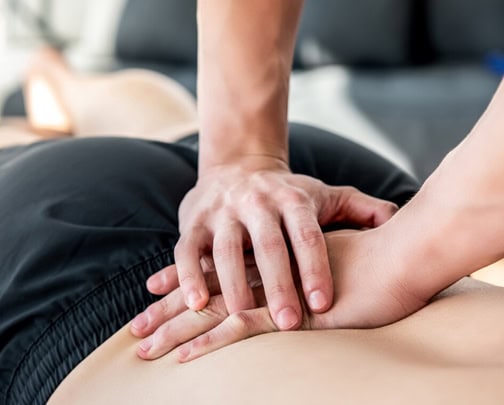
Muscle knots that repeatedly return after gym sessions are not always caused by a single tight muscle. Training load, recovery habits, movement patterns, sleep, stress, and muscle guarding can all contribute to ongoing tension. Sports and remedial massage may help reduce discomfort, improve movement, and support recovery when combined with an appropriate training approach.
Some gym-related tightness settles within a day or two after training. Other symptoms seem to return no matter how often someone stretches, foam rolls, or books a massage appointment.
A tight upper back after pull sessions. Calves that always feel loaded after running. Glutes that repeatedly tighten during leg training. For many active adults, recurring muscle knots become part of their weekly routine rather than an occasional issue.
This can be frustrating when recovery work appears to help temporarily, only for the same discomfort to return after the next training block.
In some situations, persistent muscle tightness reflects how the body is responding to repeated training demands rather than a single “knot” needing to be removed. Understanding the broader recovery picture can help gym-goers decide when massage therapy may support recovery and when additional assessment may also be worth considering.
People looking for professional support with ongoing muscle tightness often explore options through massage therapy in Adelaide when self-management strategies are no longer providing consistent relief.
Why Muscle Knots Often Return in the Same Areas
Recurring tightness is commonly linked to repeated loading patterns.
A person who spends several days each week bench pressing, running hills, cycling, deadlifting, or working at a desk between training sessions may repeatedly stress the same muscle groups without enough recovery variation.
The body can respond by increasing muscle guarding around overloaded or fatigued tissues. This may feel like:
- Dense bands through the shoulders
- Tight calves after running
- Persistent glute tension
- Neck stiffness after upper body training
- Mid-back tightness after heavy pulling movements
In gym environments, people often describe these symptoms as:
- “knots”
- “trigger points”
- “tight spots”
- “muscles that won’t release”
While local muscle tension may be present, the surrounding factors also matter. Sleep quality, stress levels, exercise technique, recovery volume, hydration, training intensity, and overall workload can all influence how muscles recover between sessions.
The Difference Between Normal Training Soreness and Ongoing Muscle Guarding
Post-training soreness is common after new exercises, increased intensity, or returning to training after a break.
Recurring muscle knots are slightly different. They often:
- Return in the same location repeatedly
- Restrict movement during exercise
- Affect warm-ups or mobility work
- Persist despite stretching
- Flare during specific lifts or activities
Some people notice the area “tightens up again” within hours of training. Others feel temporary relief after massage before symptoms gradually return throughout the week.
This does not necessarily mean massage has failed. In many cases, the body is responding to repeated stress exposure faster than it can adequately recover.
Why Stretching Alone Does Not Always Solve Muscle Tightness
A common pattern among gym-goers is constant stretching without long-term improvement.
Some muscles feel tight because they are fatigued, overloaded, or compensating for movement elsewhere. Aggressively stretching these areas may not fully address the reason tension keeps returning.
For example:
- Tight hip flexors may relate to prolonged sitting combined with heavy lower body training
- Recurrent upper trap tightness may reflect shoulder loading mechanics
- Calf tension may relate to running volume or ankle mobility restrictions
- Glute tightness may appear alongside lower back compensation during lifting
This is why recovery-focused care often involves more than one strategy.
Massage therapy may help reduce local muscle tension and improve comfort, while exercise modification, load management, strengthening, or movement assessment may address contributing factors behind the recurring symptoms.
When Sports Massage May Help Active Adults
Athletes and regular gym-goers often seek sports massage therapy in Adelaide when muscles feel consistently heavy, restricted, or overloaded between sessions.
Sports massage is commonly used to support:
- Recovery after intense training
- Muscle tightness from repetitive activity
- Reduced mobility before or after exercise
- Training preparation
- Ongoing muscular discomfort associated with sport or gym activity
Rather than focusing only on relaxation, sports massage is usually directed toward movement-related muscle tension and recovery demands associated with physical activity.
Some people find it helpful during periods of:
- Increased training frequency
- Event preparation
- Heavy strength blocks
- Running volume increases
- Reduced recovery time between sessions
Why “More Pressure” Is Not Always Better
A common gym culture belief is that the most effective massage must be extremely painful.
Some people specifically request deep pressure because they feel lighter pressure “does nothing.” Others believe bruising or severe soreness means the treatment worked.
In practice, overly aggressive pressure can sometimes increase guarding in already irritated tissues.
The goal of massage is not simply to force muscles to release through pain. Pressure should be adjusted according to:
- Symptom irritability
- Training load
- Muscle sensitivity
- Recovery status
- Individual tolerance
A treatment that leaves someone unable to train for several days may not always support their broader recovery goals.
For people experiencing repeated tightness, remedial massage therapy in Adelaide may involve a more tailored approach that considers movement patterns, activity levels, and symptom behaviour rather than focusing only on intensity.
Gym Habits That Can Contribute to Recurring Tightness
Several training habits appeared repeatedly throughout athlete and gym-related discussions online.
Training Through Fatigue
Some active adults continue pushing through progressive tightness without adjusting recovery volume. Muscles may become increasingly guarded when fatigue accumulates across multiple sessions.
Repeating the Same Movement Patterns
Programs heavily biased toward pressing, pulling, cycling, or running can repeatedly load similar tissues without enough variation.
Inconsistent Recovery
Sleep disruption, work stress, long sitting hours, and reduced recovery days can influence how the body responds to training loads.
Ignoring Early Symptoms
People often continue training around small restrictions until discomfort begins affecting movement quality or performance.
When Ongoing Tightness May Need Further Assessment
Massage therapy can support muscular recovery, but some symptoms may warrant additional assessment, particularly when pain:
- Radiates into the arm or leg
- Causes numbness or tingling
- Produces weakness
- Persists despite reduced training load
- Interferes with normal daily activities
- Continues worsening over time
In these situations, broader musculoskeletal assessment may help determine whether symptoms are related purely to muscular tension or whether additional contributing factors are involved.
Recovery Is Usually More Than One Appointment
One of the biggest frustrations among active adults is expecting a single treatment to permanently resolve recurring muscle tightness.
For many gym-related complaints, symptoms are influenced by a combination of:
- Training intensity
- Recovery habits
- Technique
- Workload outside the gym
- Sleep
- Stress
- Movement patterns
Massage therapy may help reduce discomfort, improve mobility, and support recovery, but long-term improvement often depends on how the body is being loaded between sessions.
People who notice recurring tightness around the shoulders, back, hips, calves, or neck often benefit from reviewing both their recovery habits and training structure alongside hands-on care.
Sports Massage Support Across Adelaide
People attending appointments for gym-related tightness, recovery support, or recurring muscular discomfort often visit Pro Health Care clinics from different parts of Adelaide depending on convenience, work schedules, and training locations.
Athletes and active adults looking for massage therapy in Hope Valley frequently attend after gym sessions, community sport, or physically demanding work. Patients from Adelaide’s western suburbs may access care through the Kidman Park massage clinic when ongoing shoulder, calf, or lower back tightness begins affecting training consistency.
Others seek support through massage therapy in Mitcham or visit the Beverley massage clinic when muscular tension starts interfering with exercise recovery, movement, or day-to-day comfort.
Disclaimer: This article is intended for general educational purposes only and does not replace personalised medical or allied health advice. Muscle tightness and recurring pain can have different contributing factors depending on the individual, training load, and overall health. Always seek assessment from a qualified healthcare professional if symptoms persist, worsen, or interfere with normal movement or activity.