
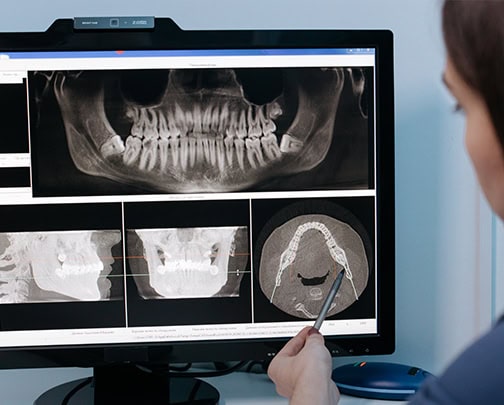
Leaving a missing tooth untreated can gradually affect neighbouring teeth, chewing comfort, bite balance and jawbone support. These changes do not always cause pain at first, but they may influence future treatment options. A dental assessment can help identify what has changed and whether tooth replacement should be considered.
A missing tooth does not always feel urgent once the area has healed.
Eating may still be manageable, speech may feel normal and, if the gap is towards the back of the mouth, it may not be obvious when smiling. Without pain, replacing the tooth can easily be pushed aside.
Patient concerns often follow a similar pattern. A tooth is lost through injury, decay or extraction, and replacement is left for “later”. Months become years, and by the time someone searches for a dentist Adelaide, they may be worried that the gap has changed, nearby teeth have shifted or treatment may be more involved than expected.
Not every missing tooth causes the same changes. The location of the tooth, the condition of the gums, the bite and overall oral health all influence what happens next. However, understanding the possible effects of leaving a missing tooth untreated can help you make informed decisions before small changes become harder to manage.
What Can Change After a Tooth Is Lost?
Teeth are not isolated structures. They work together to support chewing, speech and bite balance.
When one tooth is no longer present, the surrounding teeth may gradually respond to the empty space. The teeth beside the gap can slowly drift inwards, while the tooth opposite the space may move because it no longer has another tooth to meet during biting.
These changes usually happen slowly. At first, they may only feel like food catching in the gap or a slight change in how chewing feels. Over time, the way the upper and lower teeth meet may become different.
For patients considering dental implants Adelaide, early assessment can sometimes provide more treatment options before tooth movement, gum changes or bone changes become more established.
Chewing Habits May Shift Without You Realising
Losing one tooth does not necessarily stop someone from eating normal foods.
Instead, the mouth often adapts. Chewing may shift to the other side, harder foods may be avoided, or biting into certain meals may feel slightly different. Because these changes develop gradually, they can begin to feel normal.
Over several years, relying more heavily on certain teeth may place uneven pressure across the bite. Some teeth may show more wear, while chewing may become less comfortable or less efficient.
The location of the missing tooth matters. A missing molar may affect chewing more than appearance, while a missing front tooth may affect biting, speech and smile confidence.
Regular reviews at a dental clinic Adelaide allow these changes to be checked before they begin affecting other parts of the mouth.
Why Jawbone Changes Can Affect Future Treatment
The visible gap is only one part of tooth loss. Changes can also occur beneath the gumline.
Natural tooth roots help stimulate the jawbone during biting and chewing. When a tooth is removed, that stimulation is reduced in the area where the root once sat. Over time, the bone in that part of the jaw may gradually reduce in volume or change shape.
This does not happen at the same rate for everyone. Some people have very little change, while others may have less bone available by the time they decide to replace the tooth.
Bone changes can matter because they may influence future treatment planning. If there is reduced support in the area, the dentist may need to assess whether additional steps are required before recommending a replacement option.
For patients thinking about permanent tooth replacement, imaging and a dental examination can help determine whether an implant is suitable or whether another restorative option should be considered.
When It Is Worth Booking a Dental Assessment
A missing tooth is worth discussing with a dentist if the gap has been present for several months or years, even if there is no pain.
Assessment is especially helpful if:
- Food regularly catches in the space.
- Chewing feels uneven.
- Nearby teeth appear to have moved.
- The bite feels different.
- The gap is affecting smile confidence.
- You are unsure whether replacement is still possible.
A dental assessment usually looks beyond the missing tooth itself. The dentist may check the position of surrounding teeth, gum health, bite function, available space and jawbone support. X-rays or other imaging may also be recommended.
The aim is not simply to fill the gap. It is to understand how the mouth has adapted since the tooth was lost and whether treatment is needed to support comfort, function and long-term oral health.
Tooth Replacement and Smile Planning Often Need Sequencing
A missing tooth can affect appearance, especially when the gap is visible during smiling or speaking. However, cosmetic planning usually works best when oral health and bite function are assessed first.
For example, if a missing tooth, existing restorations and tooth colour are all concerns, the order of treatment may matter. Whitening is usually planned around the natural teeth, while crowns, bridges, veneers and implant restorations do not respond to whitening gel in the same way.
If smile appearance is part of the concern, teeth whitening Adelaide may be discussed after the health, position and replacement needs of the teeth have been assessed.
Searching for dental whitening near me can be a starting point, but a dental consultation helps confirm whether whitening should happen before or after restorative treatment.
Why It Is Common To Feel Embarrassed About Delayed Care
Some people delay dental care because they feel embarrassed about the gap, worried about the condition of their teeth or anxious that the dentist will focus on how long they waited.
These concerns are understandable, but they should not prevent someone from seeking advice.
Dentists regularly see patients who have delayed treatment for many reasons, including dental anxiety, family responsibilities, uncertainty, health issues or simply not knowing what to do next. The purpose of an appointment is to assess the current situation and explain the available options.
If anxiety has played a role, it can help to mention this when booking or during the appointment. Clear communication allows the dental team to explain each step, answer questions and work at an appropriate pace.
FAQs About Leaving a Missing Tooth Untreated
Can a Missing Tooth Cause Other Teeth To Move?
Yes. Teeth beside the gap may gradually drift into the empty space, and the opposing tooth may also move because it no longer meets another tooth during biting. This can affect the bite and may influence future treatment planning.
Does a Missing Tooth Always Need To Be Replaced?
Not always. The need for replacement depends on the location of the missing tooth, bite function, gum health, bone support and the condition of surrounding teeth. A dentist can assess whether replacement or monitoring is more appropriate.
Is It Too Late To Replace a Tooth After Several Years?
Not necessarily. Many people seek treatment years after losing a tooth. However, the treatment plan may depend on whether nearby teeth have shifted, whether there is enough space and whether the jawbone can support the preferred option.
Can I Have Whitening If I Also Have a Missing Tooth?
It depends on the broader treatment plan. If tooth replacement, crowns, veneers or other restorations are being considered, whitening may need to be planned first so the final dental work can be matched appropriately.
Disclaimer: The information in this article is for general educational purposes only and does not replace professional dental advice. Tooth loss affects each person differently, and suitable treatment depends on individual oral health, jawbone support, bite function and personal needs. Always consult a qualified dental professional for assessment and personalised treatment advice.