
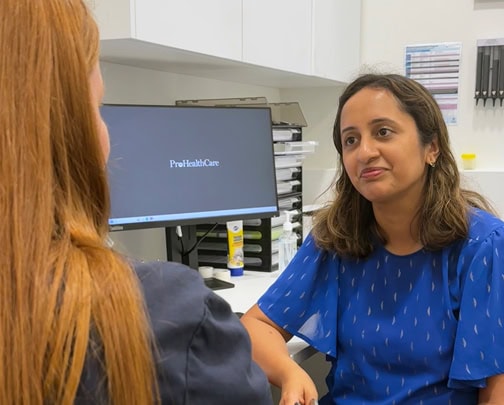
Many patients feel frustrated having to repeat their medical history when they cannot see the same GP at every visit. Understanding how continuity of care works, how clinics manage shared records, and what patients can do to prepare helps reduce repetition. These practical steps support clearer communication and more confident GP appointments in North Adelaide.
Walking into a GP appointment and realising you need to explain everything again can feel deflating. For many people, repeating their medical history is not just inconvenient but emotionally draining, especially when health concerns are ongoing or complex. This experience has become increasingly common in busy areas like North Adelaide, where appointment availability and rotating doctors make seeing the same GP each time more difficult.
For some, repeating their story is mildly frustrating. For others, particularly those managing chronic conditions or mental health concerns, it can feel exhausting and unsafe. Understanding why this happens and how continuity of care works makes it easier to feel supported, even when the same GP is not always available.
Why So Many Patients End Up Repeating Their Medical History
The traditional idea of having one long-term family doctor has become harder to maintain. Several factors contribute to this shift.
GP availability and closed patient books
Across Adelaide, many clinics operate at full capacity. Preferred GPs may be booked out weeks in advance, leading patients to book with the next available doctor through broader Adelaide GP doctors near me searches rather than delaying care.
Doctors moving, reducing hours, or retiring
Patients often build trust with a GP over years, only to find that the doctor has changed roles, reduced hours, or moved practices. Starting again can feel like losing an important source of stability.
Short appointment windows
Standard GP appointments are designed for focused concerns. When patients attempt to cover years of history in a limited time, important details can feel rushed or overlooked.
Why Continuity of Care Is About More Than Convenience
Continuity of care goes beyond familiarity. It plays a meaningful role in health outcomes and patient confidence.
Better understanding of health over time
When a GP or clinic understands a patient’s background, changes in symptoms or responses to treatment are easier to recognise. This is particularly valuable during general health check-ups, where historical context informs preventive care.
Reduced emotional fatigue
Explaining the same story repeatedly can create emotional fatigue. Over time, this may lead patients to delay appointments or avoid follow-ups altogether.
Clearer follow-up and planning
Continuity supports clearer plans around referrals, test results, and ongoing monitoring, reducing uncertainty between visits.
Why Repeating Your History Still Happens in Well-Run Clinics
Repeating your history does not automatically mean care is disorganised.
Shared records still need personal context
Even with shared electronic records, notes cannot fully capture how symptoms affect daily life. GPs may ask similar questions to understand what has changed or what feels most concerning now.
Different doctors bring different perspectives
Each GP approaches information through their own clinical lens. While this can feel repetitive, it can also help clarify details and prevent assumptions from carrying forward.
Practical Ways to Reduce Repetition Without Compromising Care
While appointment availability is not always within a patient’s control, there are practical ways to improve continuity.
Stay within the same medical centre where possible
Seeing different doctors within the same clinic usually provides more continuity than moving between practices. Shared systems and internal communication allow GPs to build on previous care rather than start again.
For patients in North Adelaide, booking through the North Adelaide doctors page helps keep records and follow-up care within one coordinated network.
Prepare a concise personal health summary
A short summary can make appointments more effective. This does not need to be technical, but it should highlight what feels most important.
Useful details include:
- Long-term conditions or diagnoses
- Current medications and allergies
- Major surgeries or hospital admissions
- Ongoing symptoms or health goals
Having this ready allows the GP to focus on next steps rather than background.
Book the right appointment type
When concerns are complex or multiple, booking a longer appointment can reduce pressure and support clearer communication. Longer consults are particularly helpful for mental health concerns, chronic conditions, or unresolved symptoms.
Clarify follow-up before leaving
Before finishing an appointment, ask how follow-up will work. Knowing whether to rebook through online appointments, see the same GP, or follow up with another clinician helps reduce repetition later.
The Role of Clinics in Supporting Continuity of Care
Continuity is not only a patient responsibility. Clinic systems also play an important role.
Clear documentation and shared notes
Accurate clinical notes allow different doctors to understand what has already been discussed and planned.
Team-based and integrated care
Many clinics support collaboration between GPs and allied health professionals. When care involves services such as psychology or dietitian services, coordination within the same healthcare network can reduce fragmentation.
Within the broader Pro Health Care network, this integrated approach helps support continuity across services.
When Repetition Becomes a Sign to Reassess Your Care
Some repetition is normal, but persistent frustration can indicate unmet needs.
Feeling unheard or dismissed
If concerns are consistently minimised or overlooked, discussing appointment structure or booking longer consultations may help.
No clear plan between visits
When each visit feels disconnected, asking for clearer long-term planning or follow-up arrangements can improve continuity.
Approaching GP Care in North Adelaide With More Confidence
Living in an inner-city area like North Adelaide offers strong access to healthcare, but demand remains high. Taking an active role in how care is managed can make appointments feel more productive and less stressful.
Choosing a clinic that values shared records, communication, and coordinated care supports a smoother experience over time.
Continuity Is About Feeling Supported, Not Perfect Consistency
Seeing the same GP every time is ideal, but not always realistic. Continuity of care is ultimately about feeling supported, understood, and confident that health information is being managed carefully.
With thoughtful preparation, consistent clinic choice, and clear communication, it is possible to reduce repetition and focus on meaningful conversations about health and wellbeing.
Disclaimer: The information provided in this blog is for general educational purposes only and should not be taken as medical advice. It is not a substitute for professional diagnosis, treatment, or care. Always seek the guidance of your doctor or other qualified healthcare professional with any questions you may have regarding your health or medical condition.